
No Single Medium
Jeff O’Brien Myers Has Built a Career at the Intersection of Film, Art, Music and Storytelling
PITTSBURGH — Director. Animator. Artist. Musician. Advertising creative. For Jeff Myers, those titles have never represented separate careers. They are different parts of the same creative vocabulary.
For more than two decades, Myers has moved fluidly between filmmaking, animation, fine art, music and advertising, building a body of work that stretches from global brand campaigns and presidential inaugurations to Grammy-winning album artwork and independent film.
At the center of it all is THIS IS RED, the award-winning animation studio, film production company and creative agency Myers founded in Pittsburgh.
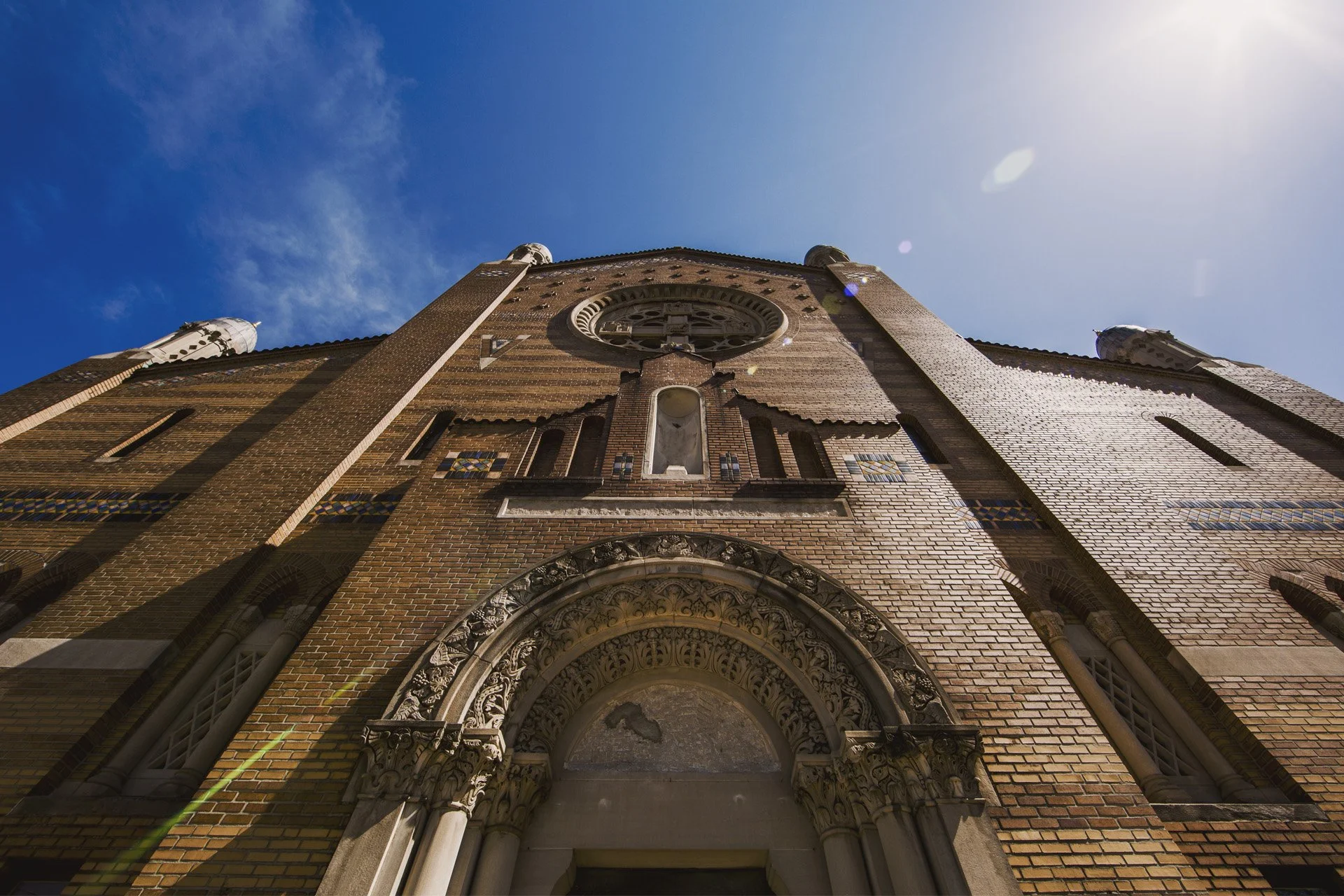
The company itself is an extension of his multidisciplinary approach. Rather than operating from a conventional agency office, THIS IS RED occupies a 20,000-square-foot former church built in 1925, a century-old architectural landmark that Myers and his team have transformed into a creative campus for film, photography, animation, music, immersive content and brand development.
Inside, century-old architecture exists alongside modern production technology, recording spaces and a fully equipped Dolby Atmos and Dolby Vision cinema.
It's an unusual headquarters for an unusual career.
From Pittsburgh to a Global Stage
Over the years, Myers and THIS IS RED have worked across an extraordinarily broad range of industries and disciplines.
Their work has appeared everywhere from the stage of Saturday Night Live to presidential inaugurations, with projects spanning global brands, television networks, musicians, filmmakers and technology companies.
Clients and collaborators have included Coca-Cola, Four Seasons, Philippe Starck, the BBC, Apple Music, Atlantic Records, Dolby, Gibson, Paul Reed Smith Guitars and Neural DSP.
That range reflects a philosophy Myers has maintained throughout his career: the medium should follow the idea, rather than the other way around.
A project might become a film, an animation, a photograph, a piece of music or an immersive experience. Increasingly, it might become several of those things at once.
His directorial and animation work is recognizable for its atmospheric, tactile quality—images that often feel handmade even when sophisticated technology sits behind them. The work tends to favor texture, imperfection and emotion over the frictionless aesthetic often associated with commercial production.
That sensibility has attracted some of the world's most recognizable creative and technology brands.
A Long Collaboration With Dolby
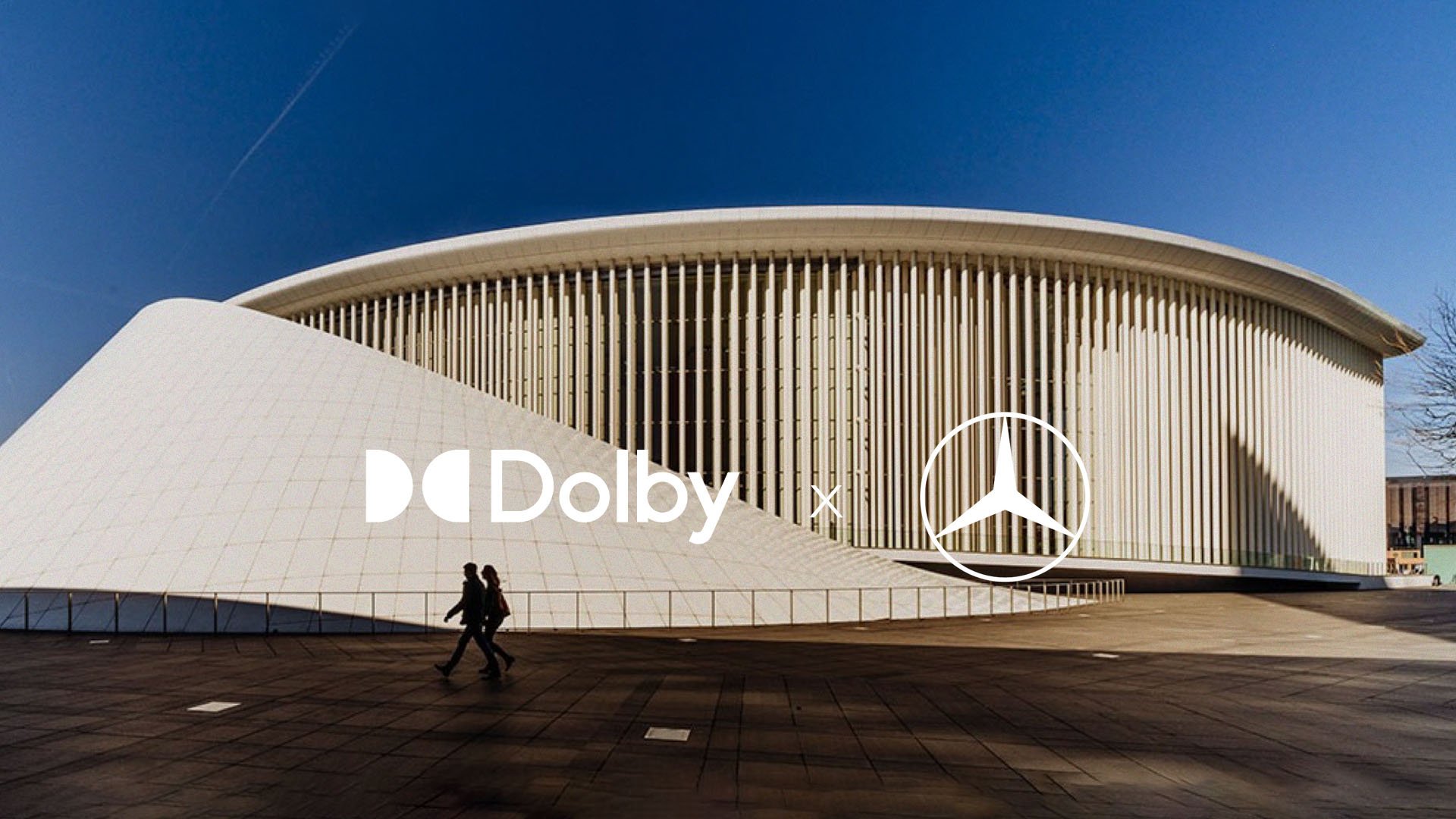
One of Myers' most extensive creative relationships has been with Dolby.
His work for the cinema and audio technology company has included directing brand films, creating high-fidelity Dolby Vision animation and exploring the relationship between filmmakers, sound and immersive storytelling.
Myers also interviewed filmmaker M. Night Shyamalan about the use of immersive audio in Old, part of a broader body of work examining how technology can deepen rather than distract from storytelling. The collaboration ultimately influenced more than Myers' filmmaking.
When reimagining the former church that became THIS IS RED, immersive cinema became part of the architecture itself. The building now includes its own Dolby Atmos and Dolby Vision cinema, allowing projects to move from creation to presentation within the same space.
One of 100 Artists for 100 Years of Coca-Cola
Myers' work has also crossed decisively into fine art.
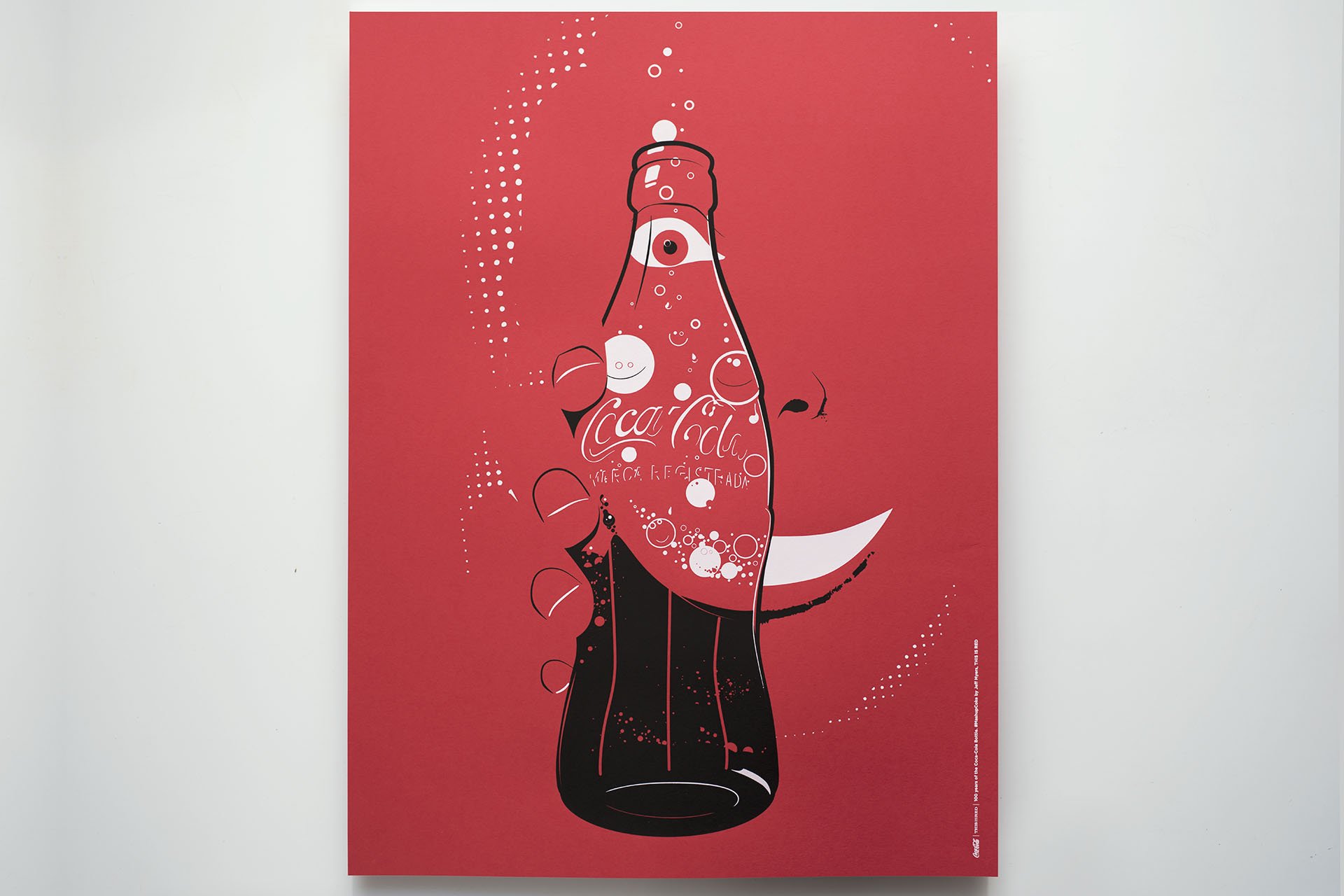
When Coca-Cola celebrated the 100th anniversary of its contour bottle, the company selected 100 creatives from around the world to reinterpret one of the most recognizable objects in commercial design. Myers was among them.
His contribution—a study in optimism and resilience—became part of the centennial retrospective Kiss the Past Hello, published by luxury art publisher Assouline, and subsequently appeared in exhibitions and across Coca-Cola's channels. The project sits naturally within another long-running component of Myers' career: painting.
He has created album artwork for artists including jazz legends Dizzy Gillespie and Nancy Wilson. Five albums featuring his artwork went on to win Grammy Awards.
Music, however, has never been merely another client category. Myers is himself a musician, writer and producer, something that has allowed him to move comfortably between the visual and musical worlds. His work has connected him with artists including Herbie Hancock, Tony Levin, Nuno Bettencourt, Katy Perry, Kesha, Ne-Yo, Paquito D'Rivera, Herbie Mann, Tom Scott, Rabea Massaad, Forest Blakk and Ghost Hounds. That crossover continues through work with companies such as Gibson, Paul Reed Smith Guitars and Neural DSP, where filmmaking, technology and musicianship frequently intersect.
From Presidential Politics to the BBC
Some of Myers' most visible projects have unfolded against much larger cultural moments.
He drove the creative surrounding Forward, an artist-led anthem produced during Barack Obama's 2012 re-election campaign that went on to attract millions of online views.
Years later, he contributed to the performance, production and vinyl release surrounding the New Radicals' reunion performance of “You Get What You Give” for President Joe Biden's inauguration.
Across the Atlantic, THIS IS RED helped the BBC launch Season 6 of Line of Duty, developing a social campaign designed to turn the show's famously obsessive fan base into participants—encouraging speculation, theories and debate surrounding what would become one of Britain's biggest television season premieres.
Despite the scale of those assignments, Myers' personal work has increasingly returned to something smaller and more intimate: storytelling.
Creating Original Worlds
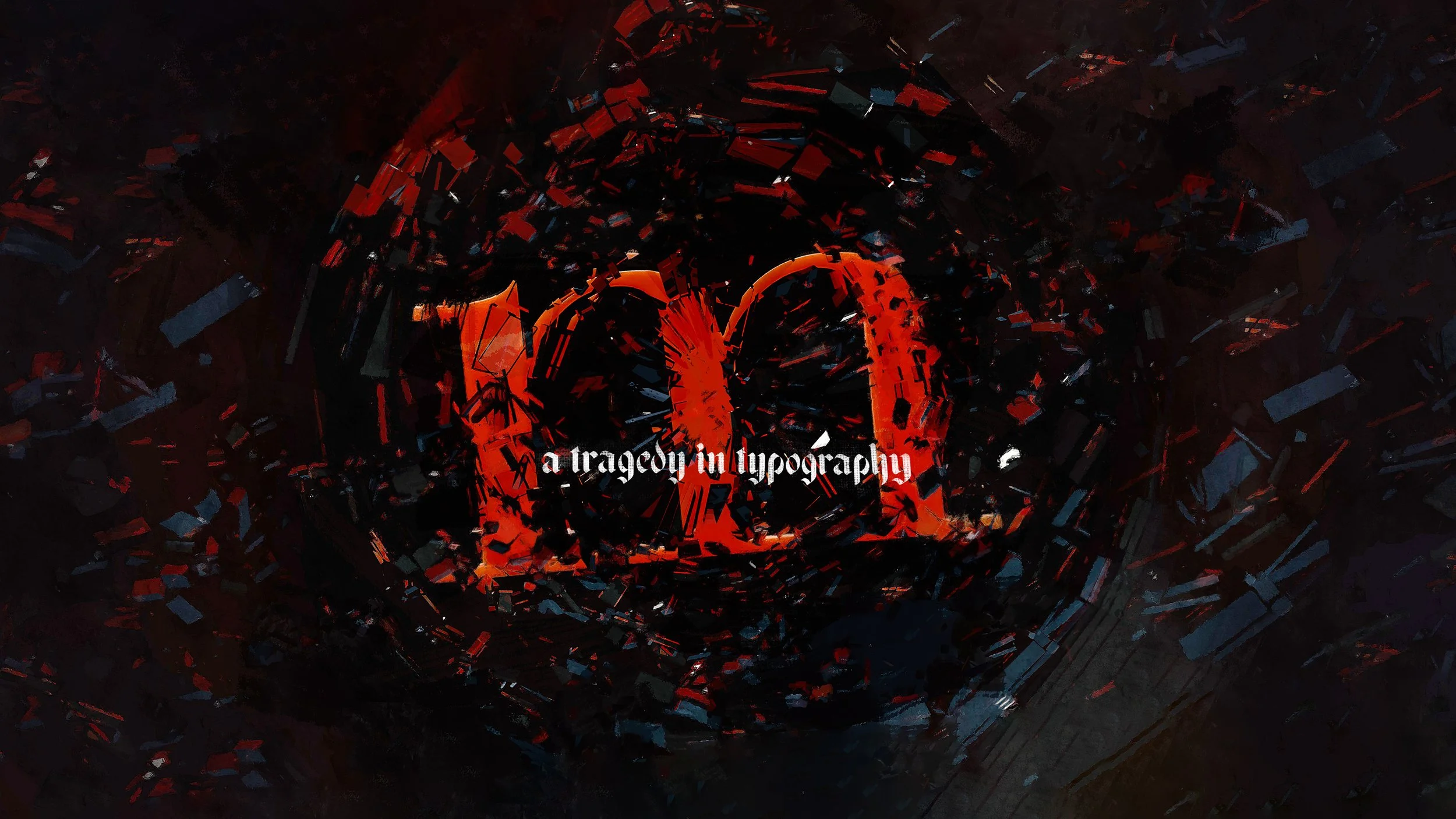
Increasingly, Myers is turning his multidisciplinary approach toward the development of original intellectual property, with a particular focus on stories created for adult animation. For Myers, animation offers something live action often cannot: the freedom to build complete worlds without sacrificing the intimacy, atmosphere and emotional complexity of the story. His approach draws from film noir, folklore, music, fine art and cinematic storytelling to create work that is visually distinctive but grounded in deeply human themes.
Rather than viewing animation as a genre, Myers sees it as a medium capable of telling sophisticated stories for adult audiences—stories about identity, morality, love, loss, belonging and the strange corners of human experience. That effort includes developing original films, series and characters designed to extend beyond a single production. Music, illustration, graphic storytelling and other forms can become part of the same universe, creating intellectual property with the potential to live across multiple formats.
It is a natural evolution of a career spent moving between disciplines. After decades of helping brands, musicians and filmmakers tell their stories, Myers is increasingly applying that experience to building worlds of his own.
A Creative Career Without Walls
In an industry increasingly organized around specialization, Myers has built his career in the opposite direction.
Film leads to animation. Animation leads to painting. Painting leads to music. Music informs filmmaking. Technology becomes architecture. And a century-old church becomes the physical place where all of those disciplines can coexist. That may be the clearest expression of Myers' approach.
Rather than simply restoring the former church that houses THIS IS RED, he transformed it into something that mirrors the way he works: a place without rigid boundaries between filmmaker, artist, musician, technologist and storyteller.
After more than 20 years, Myers' work has reached global brands, television audiences, political stages, galleries, record collections and movie screens. Yet much of it still begins in Pittsburgh, inside a 100-year-old building created for an entirely different purpose. It's an unlikely home for a global creative company. For Jeff Myers, that seems to be precisely the point.