
A Century of Reinvention
How a Former Pittsburgh Church Became a Global Creative Company
MUNHALL, Pa. — For nearly a century, the former St. Michael’s Church has stood as a landmark in the hills outside Pittsburgh. Built in 1925 as a place for a growing Slovak community to gather, the building has now entered an entirely different chapter—one centered on creativity, technology, music and storytelling.
Today, the 20,000-square-foot former church is home to THIS IS RED, a global animation studio and film production company that has transformed the historic structure into an unexpected hub for modern creative work.
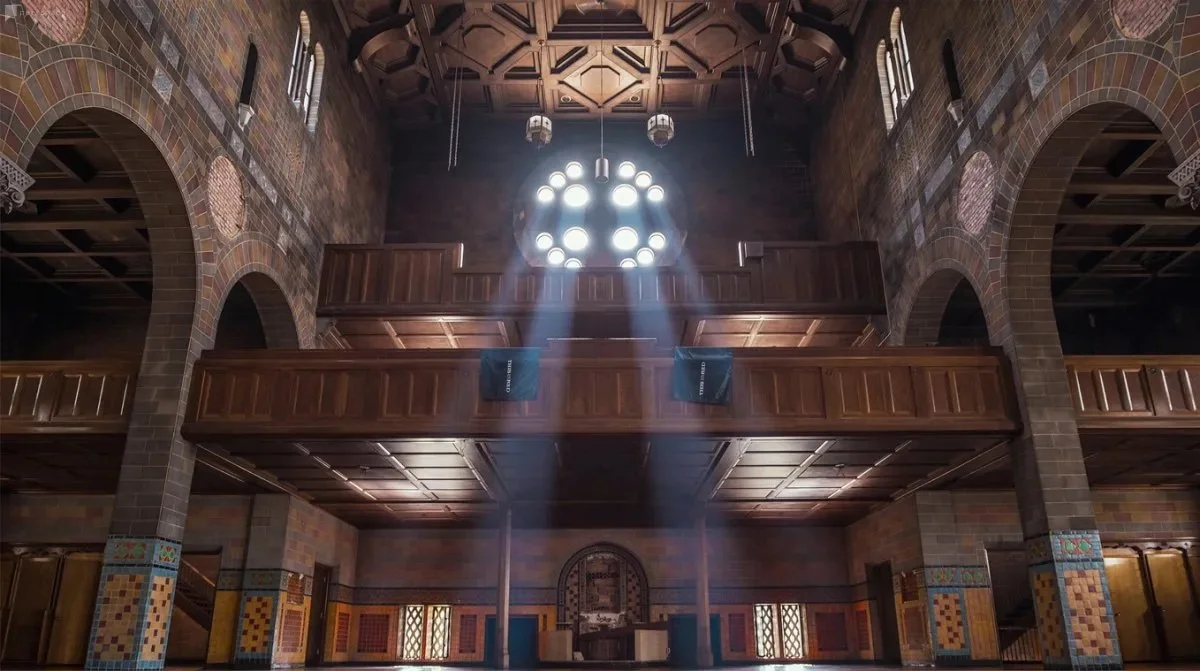
When THIS IS RED first entered the building in 2015, its best days appeared to be behind it. Years of neglect had left behind leaking roofs, damaged walls, dust and the unmistakable evidence of time. But underneath it all remained something increasingly difficult to find: extraordinary architecture, enormous spaces and a sense of character that couldn't be recreated in a conventional office. Rather than erase that history, THIS IS RED chose to build upon it.
Over the following years, the company painstakingly restored and reinvented the building, preserving its distinctive architectural details while introducing the technology and infrastructure required by a contemporary creative company. The result is a place where old and new exist side by side.
Original architectural details frame spaces used for photography and film production. Rooms once designed around worship and ceremony have become environments for recording, animation, design and storytelling. Modern production technology now lives within walls constructed a century ago. At the center of it all is the creative agency itself.
From its Pittsburgh headquarters, THIS IS RED develops work for clients and audiences around the world, bringing photography, film, animation, music, immersive audio and emerging technology together under one roof. The building allows ideas to move from concept to production without leaving the space—something increasingly unusual in an industry where creative disciplines are often scattered across different companies, cities and facilities. The former church has also become a destination of its own.
Its soaring interiors and unconventional architecture have served as a backdrop for film and television productions, music videos, photography, live performances and recording sessions. Musicians and artists have worked within the same rooms where generations of Pittsburgh-area families once gathered.
The space has welcomed productions for organizations including the BBC, documentary projects and artists ranging from Killer Mike to Tony Levin, Guthrie Govan and the Dover Quartet. It has also hosted community organizations and events for groups including 412 Food Rescue, Big Brothers Big Sisters and Hello Neighbor.
A Dolby Atmos and Dolby Vision cinema adds another dimension to the facility, allowing filmmakers, musicians and clients to experience projects in an immersive environment without leaving the building. Yet perhaps the most compelling part of the transformation isn't technological. It's architectural.
Constructed in 1925, St. Michael’s was designed with an unusual combination of Art Nouveau and Art Deco influences. Its architect's distinctive approach was described by contemporaries as “Mexican Baroque”—a fittingly difficult-to-categorize description for a building that, a century later, has become home to a company built around crossing creative disciplines. The restoration also represents something larger happening throughout the Pittsburgh region: the reinvention of remarkable buildings created during the city's industrial era.
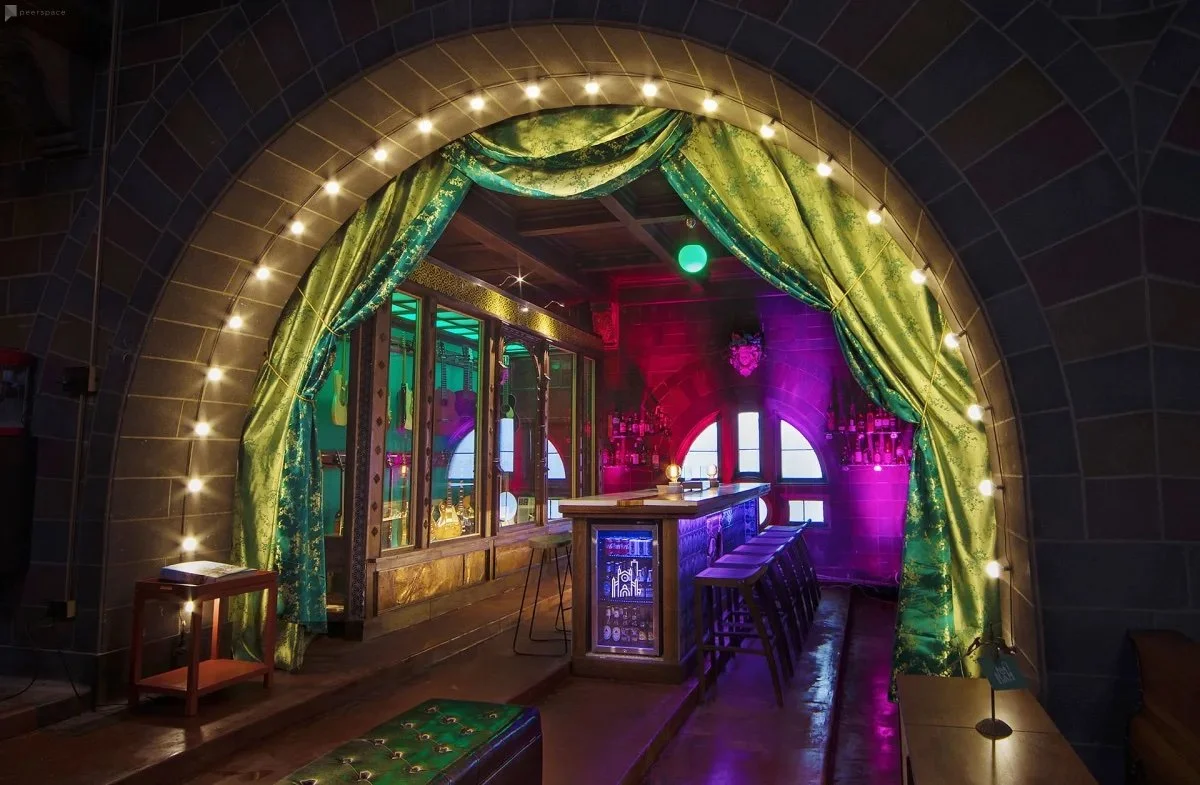
Rather than replacing the past, projects like THIS IS RED demonstrate how those structures can become infrastructure for an entirely different economy—one built around ideas, media, technology and culture. A building created for one community a century ago is once again filled with people making things together.
Only now, the congregation looks a little different. Cameras roll beneath century-old ceilings. Musicians record where choirs once performed. Animators, directors, photographers, designers and technologists work inside rooms built generations before digital media existed. What began in 1925 as St. Michael’s has survived by becoming something its original builders could never have imagined.
A century later, the building isn't simply being preserved.
It's creating again.